Table of Contents
ToggleSage green has become the go-to color for homeowners seeking a bedroom that feels both contemporary and genuinely restful. Unlike trendy pastels that fade fast, this muted, earthy green tone pairs sophistication with calm, making it perfect for a modern sanctuary. Whether you’re refreshing walls, updating furnishings, or starting from scratch, sage green works across minimalist, transitional, and eclectic styles. This guide walks you through selecting the right shade, executing paint strategies that transform the space, and layering in furniture and textures that tie the whole room together without feeling staged or overwrought.
Key Takeaways
- Sage green bedroom ideas thrive when you choose the right shade—light for small spaces, medium for most rooms, and deep sage only for larger, well-lit areas with proper planning.
- Modern sage green bedrooms succeed through restraint: pair muted walls with neutral bedding, natural wood furniture, and minimal accessories to create a cohesive, sophisticated sanctuary.
- Proper paint prep—filling cracks, sanding, and priming—and patience between coats ensure a professional finish that justifies your sage green investment.
- Natural wood tones, warm metallics (brass, brushed nickel), and textured linens and cottons complement sage walls without competing for visual attention.
- Layer your lighting with warm-toned LEDs (2700K) and bedside lamps rather than harsh overhead lights to enhance the calming effect of sage green.
Why Sage Green Is the Perfect Modern Bedroom Color
Sage green works because it sits in that sweet spot between cool and warm. It’s not a screaming jewel tone and not a bland greige, it has personality while staying grounded. The color triggers association with nature and growth, which our brains read as calming. From a design perspective, sage green is forgiving. It doesn’t demand perfection the way stark white does, and it won’t compete with artwork or furniture the way bold accent colors might.
Modern design trends increasingly favor colors that support wellness, and sage green delivers on that promise without feeling clinical or institutional. Unlike warmer greens (olive, moss) or cooler ones (seafoam, celadon), sage hits a neutral-enough note that it works with nearly any design direction you choose. Paint it on all walls for an immersive feel, or use it as a feature wall to add depth without overwhelming. Homeowners also appreciate that sage green photographs well and holds its appeal over years, not seasons.
Choosing the Right Shade of Sage Green for Your Space
Picking the exact shade matters more than most people think. Paint swatches on your wall, not just on the small paper chips. View them in morning light, afternoon light, and at night under your bedroom lighting. Sage green shifts dramatically depending on whether your light sources are warm (incandescent, warm LED) or cool (daylight, cool-toned LEDs). If you have north-facing windows, you’ll want a slightly warmer sage. South or west-facing rooms handle cooler sages better.
Light, Medium, and Deep Sage Variations
Light sage (think pale gray-green) works well in smaller bedrooms or spaces with limited natural light. It feels airy and won’t make a compact room feel boxed in. Brands like Sherwin-Williams Evergreen Fog or Benjamin Moore Healing Aloe deliver this look with just enough color presence to feel intentional.
Medium sage is the Goldilocks zone for most bedrooms. It’s saturated enough to anchor the room and create that sanctuary feeling, yet still sophisticated. This range includes colors like Sherwin-Williams Sea Salt or Farrow & Ball’s de Nimes, rich without being dark. Most modern sage green bedroom designs land here.
Deep sage (almost forest-green territory) suits larger rooms with good natural light. It creates drama and intimacy but can feel heavy in small spaces or rooms that don’t get much sun. Use sparingly as an accent or commit fully only if you’re confident in your room’s light levels. Deep sages work beautifully on a single feature wall paired with lighter walls elsewhere.
Modern Bedroom Wall Paint and Feature Wall Strategies
Before you open a paint can, prep your walls properly. Fill holes and cracks with spackling compound, sand everything smooth with 120-grit sandpaper, and prime if you’re covering dark or glossy surfaces. Most bedrooms need two coats of quality paint (expect 350–400 square feet per gallon coverage). Use an angled brush for corners and edges, then a roller for large flat areas. Skipping prep is the #1 reason DIY paint jobs look amateurish.
For wall strategy, you have two main approaches. All-walls sage green creates an enveloping, cohesive look, ideal if your furniture is neutral or minimal. You’re essentially painting the room a single color and letting furnishings and artwork add interest. Feature wall sage (one wall, usually behind the bed) works if you prefer lighter walls elsewhere or have mixed decor already in place. The feature wall draws the eye and anchors the room without dominating it.
Wear safety glasses and a dust mask when sanding, and ensure good ventilation while painting. If you’re applying primer and paint, allow adequate drying time between coats, usually 2–4 hours depending on humidity and product. Cheap paint requires more coats: mid-to-premium paints (Sherwin-Williams, Benjamin Moore, or similar) typically cover in two. Don’t rush this step: patient prep and application make the difference between a professional result and a DIY-looking finish.
Furnishing Your Sage Green Bedroom with Complementary Pieces
Once your walls are done, furniture choices either enhance or muddy your modern sage sanctuary. The goal is restraint, modern design favors clean lines and intentional pieces over visual clutter. Start with your bed frame and nightstands, then layer in additional pieces thoughtfully.
Wood Tones, Metals, and Textural Elements
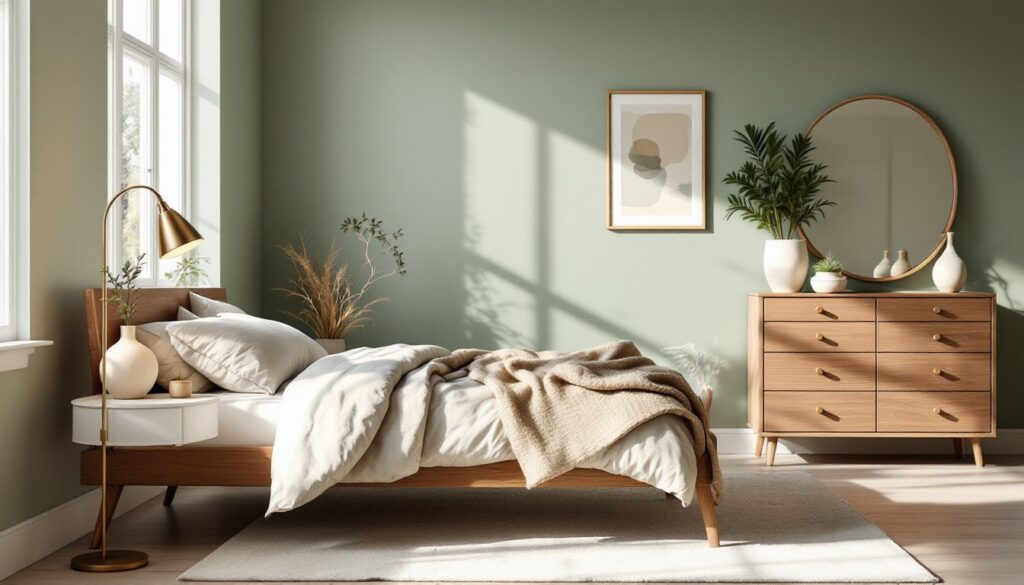
Natural wood (walnut, oak, or whitewashed pine) is the safest pairing with sage green. Warm wood tones complement the green’s earthiness without competing. A mid-century or Scandinavian-style bed frame in natural wood feels cohesive and timeless. Avoid very dark or stained woods unless your goal is high contrast: they can feel heavy against sage walls.
Metals (brass, black iron, or brushed nickel) add visual interest without bulk. Brass hardware on dressers or a brushed-nickel bed frame feels contemporary and ties into modern design language. Chrome or polished nickel reads cold next to sage, so choose warmer metallics or matte finishes instead.
For textural balance, incorporate linen, cotton, and wool, natural fibers that feel intentional and livable. A linen throw blanket, cotton sheets, and perhaps a chunky knit cushion add depth without visual noise. According to modern home decor resources like Decoist, layered textures within a cohesive color palette create spaces that feel designed but not overthought. Keep your color palette tight: sage green walls, neutral bedding, one accent color max (say, muted blue or soft gray). This restraint is what separates a modern bedroom from one that feels like a Pinterest board exploded.
Accessorizing and Adding Texture With Bedding and Decor
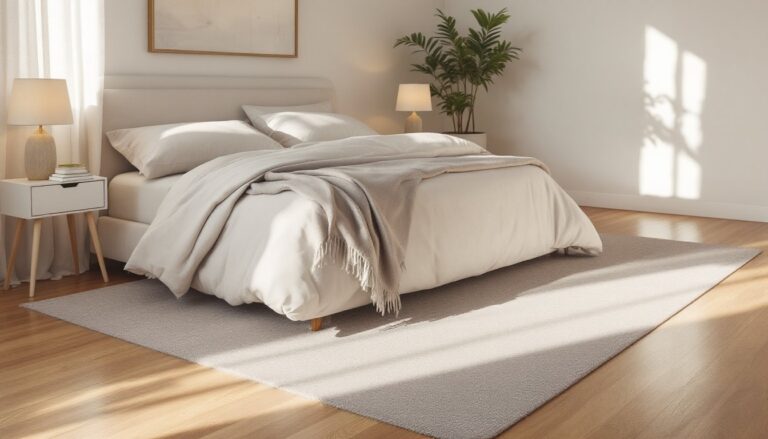
Bedding is where you layer comfort and style. Opt for high-thread-count cotton sheets (400-600 is a solid standard for durability and comfort) in white, cream, or soft gray. A neutral duvet cover (again, white, cream, or light gray linen) lets the sage walls be the star. Add a chunky knit throw blanket in cream or oatmeal for texture and warmth, it visually softens the bed without introducing a competing color.
For pillows, stick to two or three in varying textures but matching neutrals. A cotton pillowcase, a linen one, and perhaps a woven linen-blend create subtle visual interest. Avoid heavy patterns here: keep them minimal or solid-colored.
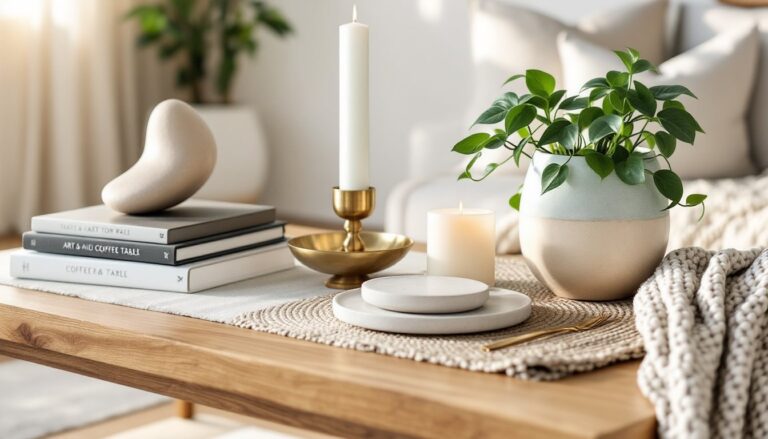
Accessories should serve a purpose or tell a small story, not clutter shelves. A single piece of framed abstract art (ideally something with muted greens or warm earth tones) on one wall above a dresser feels intentional. A small potted plant, real or high-quality faux, echoes the green palette without feeling kitschy. A wooden tray on the nightstand, a simple ceramic vase, maybe a candle in a neutral holder: these are function-driven pieces that also contribute aesthetically.
Home design inspiration sites like Homedit showcase how modern bedrooms thrive on negative space. Resist the urge to fill every surface. Your sage green walls and quality furnishings are doing the heavy lifting. One solid wood mirror with a simple frame, if you need it, or a piece of modern living advice from Dwell will teach you that restraint is the signature of contemporary design. A bedroom that breathes is one you’ll actually relax in, not one that demands constant visual adjustment.
Lighting matters too. Warm-toned LED bulbs (2700K color temperature) complement sage green beautifully. Avoid harsh overhead lights: layer in a bedside lamp with a linen or cotton shade, maybe a wall-mounted reading light on one side. This creates ambiance and ensures you’re not staring at clinical brightness before sleep.