Table of Contents
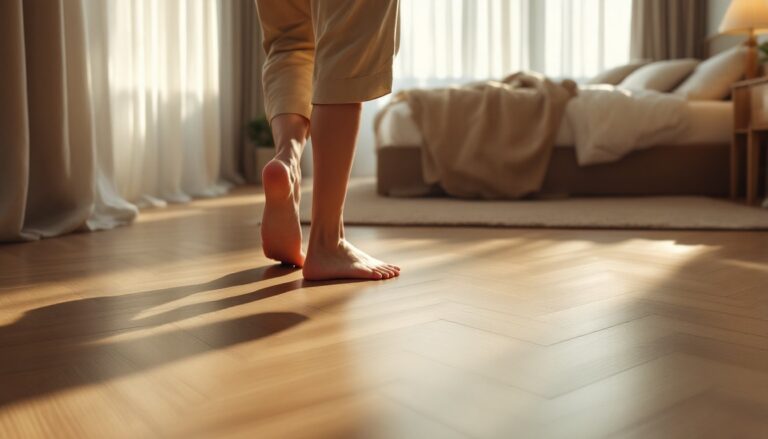
ToggleChoosing bedroom flooring is one of those decisions that affects you every single day, literally, the moment your bare feet hit the floor each morning. Unlike living room flooring, which handles foot traffic and entertaining, bedroom flooring prioritizes comfort, sound dampening, and personal style. Whether you’re renovating from scratch or refreshing an existing space, the right flooring can transform how a bedroom feels and functions. We’ll walk through the most practical bedroom flooring options available today, covering everything from classic hardwood to modern vinyl, so you can make an informed choice that suits both your budget and your lifestyle.
Key Takeaways
- Bedroom flooring ideas range from hardwood and carpet to luxury vinyl planks, each offering distinct benefits in comfort, durability, and cost that should align with your climate and lifestyle.
- Hardwood flooring provides timeless elegance and adds resale value, but requires refinishing every 7–10 years and costs $3–$12 per square foot installed.
- Carpet remains the comfort champion for bedrooms with excellent sound dampening and insulation, though it requires professional installation and regular maintenance, with costs from $2–$10 per square foot.
- Luxury vinyl planks (LVPs) have become a top choice for DIY installation, offering photorealistic wood or stone visuals at $1.50–$6 per square foot for material, with excellent resistance to stains and moisture.
- Consider your climate, family lifestyle, and budget when selecting bedroom flooring—warm humid climates favor engineered hardwood and vinyl, while cold climates benefit from underlayment insulation and radiant heating compatibility.
- Get physical flooring samples and live with them for several days in your actual lighting before making a final decision, as online photos and showroom displays can be misleading.
Hardwood Flooring for Timeless Elegance
Solid hardwood and engineered hardwood remain bedroom favorites for good reason: they’re durable, beautiful, and add resale value. Solid hardwood typically runs 3/4 inch thick and can be sanded and refinished multiple times over decades. Engineered hardwood, a plywood base topped with a hardwood veneer, is more stable in humid climates and works better over radiant heating systems.
For bedrooms, wider planks (5 to 7 inches) create a more spacious, modern feel, while narrower planks (2 to 3 inches) offer a traditional look. Popular bedroom species include oak (durable, affordable), maple (harder, sleeker appearance), and walnut (rich, expensive). Installation requires either nailing down solid wood or gluing engineered planks: both jobs demand precision and are best left to professionals or very experienced DIYers.
The main trade-offs: hardwood is unforgiving underfoot compared to carpet or vinyl, and it requires regular maintenance (refinishing every 7–10 years for solid wood). Cost ranges from $3 to $12 per square foot installed, depending on species and grade. Bedroom-specific tip, consider a thicker, premium-grade hardwood if budget allows: bedroom traffic is gentler than kitchen or hallway traffic, so your floor will last longer.
Plush Carpet for Ultimate Coziness
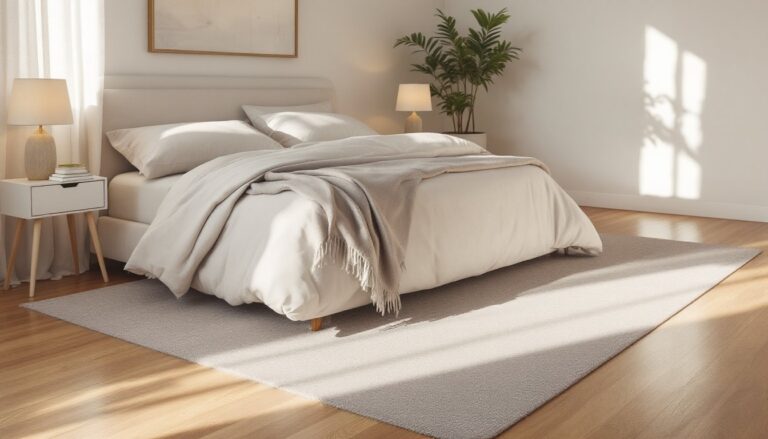
Carpet remains the comfort champion for bedrooms. It’s soft underfoot, absorbs sound, insulates against cold, and creates a cocoon-like feel, exactly what a bedroom should deliver. Quality matters significantly: frieze (textured, high-twist fiber) and saxony (plush, dense pile) are both excellent bedroom choices. Look for carpets with a pile height of 0.5 to 0.75 inches and a density rating of at least 2,000 ounces per square yard for longevity.
Wool blends (80% wool, 20% synthetic) resist staining and wear beautifully but cost $4 to $10 per square foot installed. Solution-dyed nylon (like Stainmaster) offers stain resistance at $2 to $6 per square foot. Olefin is the budget option but crushes more easily and doesn’t age as gracefully.
Installation requires professional-grade stretching on a tackless strip, DIY carpet laying isn’t realistic for most homeowners. The hidden cost is maintenance: vacuuming twice weekly, professional cleaning every 12 to 18 months, and inevitable staining in high-use areas. If you have pets or allergies, carpet traps dust and dander, which can be problematic. For a guest bedroom or low-traffic master, carpet is unbeatable. For families with kids and dogs, consider carpet in the sleeping zone only, with a harder floor elsewhere.
Laminate and Vinyl: Budget-Friendly Alternatives
Laminate and vinyl occupy the middle ground: cheaper than hardwood, more practical than carpet for some lifestyles, and easier to install. Laminate consists of a high-density fiberboard core with a photographic wood-grain layer on top, sealed with a protective melamine wear layer. It won’t stain or scratch as easily as hardwood and costs $1 to $3 per square foot installed.
The catch: laminate is noisy (footsteps echo), can’t be refinished, and falls apart if moisture gets underneath, so it’s not ideal for master bedrooms in damp climates or homes with history of water issues. Kids’ bedrooms? Yes. Guest rooms? Sure. Main bedroom? Consider your climate first.
Vinyl comes in two forms: sheet vinyl (glued down in one continuous piece) and luxury vinyl planks (LVPs, click-and-float or glued). Sheet vinyl is the budget champion at $0.50 to $2 per square foot installed, but looks obviously plastic and is harder to remove later. LVPs ($2 to $5 per square foot installed) look far more convincing, with photorealistic wood or stone visuals. Many LVPs are click-together and can float over existing floors, making them a true DIY option for handy homeowners.
Both laminate and vinyl are waterproof (or water-resistant for some grades), making them safe for basements and laundry rooms. Neither feels as warm underfoot as hardwood or carpet, but modern designs are improving. If budget is tight and you need a waterproof, low-maintenance bedroom floor, vinyl planks are your best bet.
Luxury Vinyl Plank for Durability and Style
Luxury vinyl plank (LVP) has become the sleeper hit of bedroom flooring over the past five years. It’s engineered to mimic hardwood or stone down to the texture and grain detail, and it performs better than its price suggests. A quality LVP sits on a rigid composite or stone-polymer core (SPC) that resists denting and warping, topped with a photographic veneer and sealed with a urethane layer rated for 10+ years of wear.
Installation is where LVP shines for DIYers: most click-and-fold or click-and-lock systems mean you can install it yourself over a level subfloor with just a miter saw, tapping block, and spacers. No glue, no special tools, no waiting for adhesive to cure. The subfloor must be clean, dry, and relatively level (gaps larger than 1/8 inch need shims or leveling compound). A typical 12 x 12 bedroom is a weekend project for a confident DIYer.
Cost ranges from $2 to $8 per square foot installed (professional labor) or $1.50 to $6 per square foot for DIY material only. Durability is excellent, LVP resists stains, scratches, moisture, and pet damage far better than hardwood or laminate. Downsides: it still feels slightly softer and cooler underfoot than hardwood, can dent under extremely heavy furniture legs if not protected, and some budget LVPs off-gas mildly when new. Buy from reputable manufacturers with high click ratings and low VOC certifications (FloorScore or GreenGuard certified products are safer).
Natural Stone and Tile Options
Slate, marble, limestone, and ceramic or porcelain tile bring luxury and permanence to a bedroom, but they’re unconventional choices. Stone stays cool to the touch (wonderful in summer, cold in winter), is virtually indestructible, and elevates the aesthetic. It’s also heavy, slippery when polished, and requires grout maintenance.
Marble and limestone are porous and stain easily: they demand regular sealing and careful cleaning. Slate is more forgiving, with natural texture that hides dust. Large-format tiles (12 x 24 inches or larger) create fewer grout lines and feel more cohesive: smaller tiles look busier but are more practical for DIY replacement if cracked.
Installation is specialized work: tiles must be set on a mortar bed or thin-set over an uncoupling membrane to prevent cracks from subfloor movement. Even small bedrooms demand precision and experience. A professional tile setter charges $6 to $12 per square foot in labor alone, not including material. Budget $8 to $20+ per square foot installed for quality tile, more for natural stone.
For a bedroom? Stone and tile work best in warm climates where the cool surface is an asset, or in master suites with radiant floor heating underneath. They’re excellent choices for durability and elegance but require professional installation, can feel austere without rugs and soft furnishings, and represent a commitment to the space. Consider tile or stone in a spa-like en-suite, but pair it with generous rugs for comfort in the main sleeping area.
Choosing the Right Bedroom Flooring for Your Needs
The best bedroom flooring depends on three factors: your climate, your lifestyle, and your budget. Warm, humid climates favor engineered hardwood, vinyl, or tile, anything that resists moisture and humidity swings. Cold climates work with any material but benefit from underlayment insulation and radiant heating compatibility.
Family homes with kids and pets need durability and stain resistance, vinyl planks or sealed tile fit the bill. Guest bedrooms and low-traffic master suites can embrace carpet or hardwood for luxury. Renters should focus on click-together vinyl or laminate that won’t anger landlords. Allergies or asthma? Avoid carpet entirely: opt for sealed hardwood, vinyl, or tile that won’t trap dust.
Budget constraints are real. A quick ranking: sheet vinyl is cheapest ($500–$800 for 200 sq. ft.), followed by laminate and LVP ($600–$1,200), then solid hardwood and tile ($1,200–$3,000+). These are material-only estimates: professional installation doubles the cost for hardwood, tile, or carpet.
Measure your bedroom carefully and calculate square footage, including closets. Add 10% for waste and mistakes. Get samples and live with them for a few days, flooring colors and finishes look different in your actual lighting, and photo samples online can mislead. Interior design platforms like MyDomaine offer excellent visual inspiration, while comprehensive guides on The Spruce break down real-world performance of each material. Check jurisdictional building codes if you’re installing over a basement or second story: some areas restrict certain materials over crawlspaces due to moisture or fire-rating concerns. When in doubt, consult a flooring contractor or your local building department, a 30-minute conversation beats a 3,000-dollar mistake.
Conclusion
Bedroom flooring is a personal choice that balances aesthetics, comfort, durability, and wallet. Hardwood delivers timeless beauty: carpet offers unmatched softness: vinyl provides value and waterproofing: tile and stone promise permanence. No single answer is correct for every home, the right floor is the one that fits your climate, family, and vision. Take your time choosing, invest in samples and research, and don’t hesitate to bring in a professional if installation is beyond your skill level. Your bedroom floor will carry you forward for a decade or more: pick something you’ll love walking on every morning.