A cluttered bookshelf can feel like a chaotic jungle where books roam free and dust bunnies reign supreme. But fear not! Transforming that wild wilderness into a beautifully organized haven is easier than it sounds. With a sprinkle of creativity and a dash of strategy, anyone can turn their literary chaos into a curated collection that even Marie Kondo would applaud.
Imagine walking into a room where every book is not just a title on a shelf but a carefully selected piece of art. From color coordination to quirky themes, the possibilities are endless. Whether you’re a minimalist or a maximalist, there’s a bookshelf organizing idea that’ll tickle your fancy and make your reading space not just functional but fabulous. Get ready to reclaim your shelf space and impress your guests—who knew organizing could be this much fun?
Creative Bookshelf Organizing Ideas
Utilizing unique approaches can transform a disorganized bookshelf into a visual masterpiece. Here are some creative strategies for organizing books effectively.
Color-Coding Your Books
Color-coding enhances visual appeal and simplifies finding specific titles. Grouping books by their spine colors creates a vibrant rainbow effect, which captivates attention. Choose a consistent order, such as from light to dark, for a cohesive look. Alternately, opt for a gradient arrangement that transitions smoothly. This method works well for showcasing different genres or editions while allowing personal style to shine. Additionally, it encourages creativity in selecting and displaying books, making the bookshelf a focal point in any room.
Themed Book Displays
Themed book displays allow personalization while showcasing interests. Curating books around a specific genre, author, or color creates a cohesive collection that tells a story. For example, a nature-themed shelf could feature botanical books paired with decorative elements like plants or rocks. Incorporating unique accessories related to the theme enhances the display. This approach invites conversation, encouraging guests to engage with the curated collection. Moreover, thematic organization can reflect individual passions, resulting in a bookshelf that feels uniquely theirs.
Functional Shelving Solutions
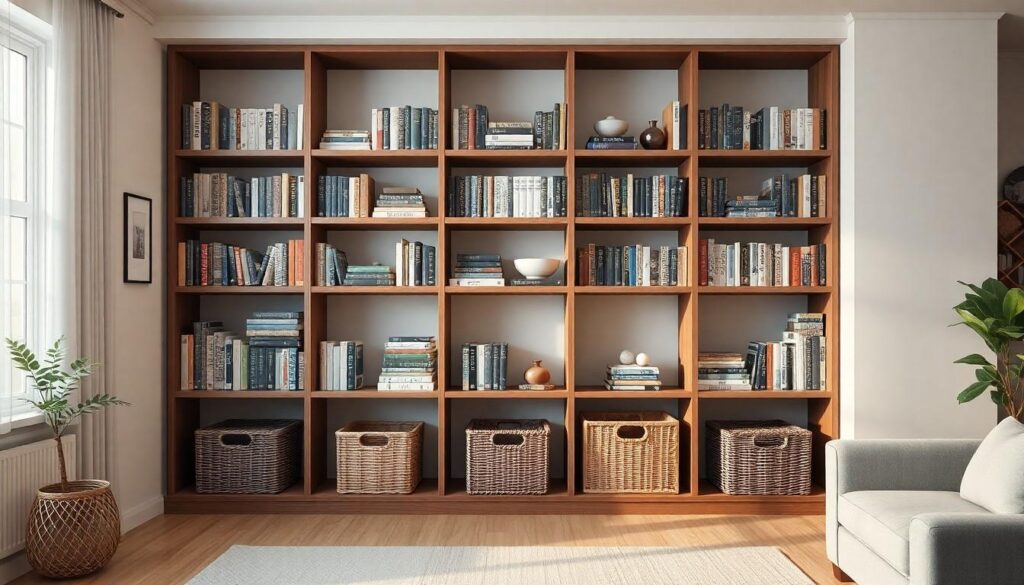
Efficient shelving solutions enhance both practicality and aesthetics in book organization. With various methods available, each reader can customize their bookshelf to meet specific needs.
Vertical vs. Horizontal Stacking
Vertical stacking maximizes available space and creates ease when accessing titles. When books stand upright, spine visibility increases, allowing for quicker navigation. It’s ideal for keeping books organized in categories or genres. Alternatively, horizontal stacking can add a decorative element to a shelf. Stacking books horizontally can break monotony and create unique visual interest. This technique can also serve as a platform for displaying other items like plants or decorative objects. Readers often find a combination of both methods creates balance, incorporating functionality and style into their organization.
Utilizing Baskets and Boxes
Baskets and boxes offer practical solutions to contain smaller items, enhancing organization. These containers can store bookmarks, note cards, or petite books, maintaining a tidy appearance. Choosing stylish baskets adds to the overall aesthetics of a bookshelf while providing usefulness. Boxes with lids protect fragile items or rare books from dust. Incorporating color or texture into baskets and boxes further personalizes the space. Utilizing these accessories allows for easy access while ensuring minimal clutter on shelves. Overall, this method promotes an organized look, blending functionality with creative flair.
Personal Touches for Your Bookshelf
Personalizing a bookshelf creates a unique space that reflects individual styles and stories. Incorporating art and decor elements enriches the overall aesthetic and adds layers of interest.
Incorporating Art and Decor
Artwork can significantly enhance a bookshelf’s appeal. Consider placing small sculptures, framed photos, or unique decorative items among the books. Using prints or canvases that resonate with personal taste creates a pleasant visual balance. Grouping items of varying heights adds dimension and draws the eye to specific areas. Stylish bookends also serve functional purposes while showcasing artistic elements, allowing for a cohesive look that integrates functional books with creative pieces.
Including Personal Memorabilia
Personal memorabilia brings a sense of nostalgia and stories to a bookshelf. Integrating travel souvenirs or family heirlooms invites conversations and memories into the space. Positioning items like postcards, letters, or small trophies next to books can enhance the storytelling aspect of the collection. Utilizing shadow boxes or display cases to showcase collectibles maintains organization while ensuring the memories remain visible. By curating personal items alongside favorite reads, individuals can craft a bookshelf that truly represents their journeys and passions.
Maintenance Tips for a Tidy Bookshelf
Regular upkeep keeps a bookshelf looking neat and organized. Schedule time each month to reassess the arrangement. Dust surfaces and books to maintain a fresh appearance. Protective covers or jackets lengthen book life, especially for treasured volumes.
Evaluate the collection periodically to manage duplicates or books no longer wanted. Removing unnecessary items frees up space for new acquisitions, ensuring every book has a place.
Use organizers like baskets or boxes to sort loose items, creating designated sections for bookmarks, notes, or small decor pieces. Consider clear containers for visibility while maintaining a tidy look.
Incorporate seasonal themes for even more unique displays. Swap out certain books or decor pieces based on holidays or seasons to keep the aesthetic fresh. Rotate select items to avoid monotony and refresh interest.
Establish a return routine for borrowed books. Each time someone borrows a title, set a reminder to return it. This practice prevents overdue books from cluttering the space.
Further, ensure that every book is accessible. Place frequently used books on lower shelves and rare finds at eye level, optimizing viewing and usage. This strategy improves ease of access and enhances the user experience.
Lastly, group books by genre or size, which makes finding favorites effortless. Consistent organization ensures that the bookshelf remains an inviting and enjoyable part of the home or office.
Transforming a cluttered bookshelf into an organized haven can be a rewarding experience. By implementing creative strategies and personal touches, anyone can create a space that reflects their unique style and interests. Whether opting for color coordination or themed displays, each choice adds character and charm to the bookshelf.
Maintaining this organized space requires ongoing attention. Regular reassessments and thoughtful arrangements ensure that the bookshelf remains a functional and beautiful part of any room. With these ideas in mind, individuals can enjoy not just the aesthetics of their books but also the stories and memories they hold. Embracing the art of bookshelf organization invites creativity and joy into the reading experience.