Table of Contents
ToggleA wood burning fireplace isn’t just functional, it’s a focal point that anchors a room and invites gathering. Whether you’re replacing an existing fireplace or installing one from scratch, choosing the right design sets the tone for your entire living space. In 2026, wood fireplace ideas span everything from traditional masonry statements to sleek modern builds, and each style brings its own charm and practical benefits. This guide walks you through eight approaches to help you narrow down what works for your home, your layout, and your lifestyle.
Key Takeaways
- Wood burning fireplace ideas come in eight main styles—from classic masonry to modern minimalist—each offering distinct aesthetic and practical benefits for different home types.
- Traditional masonry fireplaces are permanent investments that outlast houses but require skilled professional installation and annual chimney maintenance to remove creosote buildup.
- Modern minimalist wood fireplace designs with concrete or steel surrounds offer flexibility and simpler installation for renovations, though finishes must be carefully chosen to avoid an unfinished appearance.
- Corner fireplace layouts maximize space in smaller homes while creating natural framing, but require careful planning to ensure proper roof clearance and prevent draft issues.
- Enhanced features like raised hearths, statement tile designs, and wood mantels (12-16 inches wide, positioned 48-60 inches above the hearth) elevate a fireplace from functional to focal point when styled with balanced decor.
- Rustic and farmhouse wood fireplace ideas using reclaimed materials and rough-hewn elements forgive imperfections and allow many homeowners to tackle projects themselves while maintaining authentic character.
Classic Masonry Fireplaces
A traditional masonry fireplace, built from brick, stone, or stacked slate, remains the gold standard for permanence and visual weight. These are structural builds, typically requiring a dedicated foundation and a full-height chimney. The firebox is lined with fire brick rated for extreme temperature cycling, and the chimney extends well above the roofline to ensure proper draft and safety.
The appeal is substantial. A well-built masonry fireplace will outlast the house. Brick and stone develop character over decades, and there’s no plastic facade to wear out. But, masonry work demands skilled labor, this isn’t a DIY project for most homeowners. A mason will lay bricks or stone to building code, ensuring proper mortar joints (typically 3/8 inch), adequate hearth extension (per your local building code, often 16 inches to the sides and 8 inches in front), and a chimney that doesn’t have interior cracks or damage.
One practical note: masonry chimneys need annual inspection and cleaning. Creosote (a flammable byproduct of wood combustion) builds up inside the flue, and a professional chimney sweep should clear it before heavy burn season. The cost for a masonry build ranges widely depending on stone choice and chimney height, so get quotes from licensed masons in your area.
Modern Minimalist Designs
If you want a fireplace that doesn’t scream “traditional,” a modern minimalist design strips away ornamentation and emphasizes clean lines. Think flush-mounted surrounds in concrete, steel, or tile, often with a simple metal hearth and no mantel. Many modern builds use direct-vent or ventless inserts inside a sleek box frame, though traditional open fireplaces work too.
The advantage here is flexibility. A minimalist fireplace integrates into contemporary interiors without fighting other design elements. The surround is typically drywall or concrete, which makes installation simpler than masonry for additions or renovations. Concrete surrounds, in particular, are trending: they’re poured on-site and finished smooth or left raw depending on your taste.
One challenge: modern designs often depend on the right tile, paint color, or concrete finish to look intentional rather than unfinished. A matte black surround with brushed steel hardware reads sleek: the same setup in worn beige reads neglected. Consider that when budgeting for finishes. If you’re installing an insert or direct-vent unit, work with a certified HVAC or hearth professional to ensure proper clearances and ventilation.
Rustic and Farmhouse Styles
Rustic and farmhouse wood fireplace ideas lean into warm, lived-in aesthetics. Reclaimed brick, stacked stone, rough-hewn mantels, and whitewashed or natural wood framing are hallmarks. The goal is a fireplace that looks like it grew organically from the home, not installed as an afterthought.
Many DIYers tackle rustic designs themselves because they’re forgiving of imperfection, a slightly uneven stone stack or hand-finished wood mantel adds authenticity rather than detracting from it. If you’re working with reclaimed materials, budget extra time for sorting, cleaning, and fit-testing before laying anything in mortar. A reclaimed brick fireplace often mixes old and new units (old ones are softer and more fragile), so a mason’s eye for balancing color and texture is valuable.
The farmhouse approach also pairs beautifully with home decor ideas from The Spruce, which offer styling tips for mantels and hearth surrounds. A simple wooden mantel, even a rough beam from a salvage yard, grounds the design and gives you surface to dress with seasonal decor, candles, or artwork.
Corner Fireplace Layouts
Not every room has an ideal wall for a fireplace. A corner layout is a smart solution, especially in smaller homes or open-plan spaces where you want to draw the eye without eating up valuable wall real estate.
Corner fireplaces work architecturally because the two walls provide natural framing and they often feel less imposing than a dead-center installation. From a practical standpoint, you need clearance for the chimney to angle up through the roof, consult your local building code for minimum distances from roof edges, dormers, and adjacent structures. A chimney that exits too close to a roof peak can experience poor draft or exterior leaks.
Design-wise, a corner installation means your surround must wrap the corner cleanly. Mitered brick (cut at 45 degrees to meet at the corner) or corner-specific stone units prevent awkward joins. If you’re building a custom corner surround, mock it up with cardboard or tape first so you can visualize the chimney opening placement and hearth dimensions before committing to materials.
Enhanced Features and Finishes
Beyond the core fireplace structure, features and finishes set apart a good design from a memorable one. Consider built-in shelving flanking the fireplace, a raised hearth for seating, or integrated TV mounting above the mantel.
Statement Hearth Designs
Your hearth, the non-combustible floor in front of the firebox, doesn’t have to be plain. Patterned tile, contrasting brick, or a raised platform (12 to 18 inches high) transforms it from functional to focal. A raised hearth in fieldstone or honed granite adds luxury and serves practical purposes: it keeps embers contained, gives you a place to sit while tending the fire, and breaks up the visual mass of a tall fireplace surround.
When choosing hearth materials, remember that heat exposure is intense near the firebox. Standard floor tile is fine, but check the product specs for fire rating. Granite and slate are naturally heat-resistant: engineered stone should be verified for heat tolerance. Budget for professional installation, a heated hearth with improper substrate or grout can crack within a season.
Mantel Styling and Decor
A well-styled mantel is the stage for your fireplace design. Real wood mantels, whether rough-hewn beams, stained hardwood, or reclaimed barn wood, bring warmth that stone or concrete can’t match. A typical mantel extends 12 to 16 inches from the wall and sits 48 to 60 inches above the hearth (though this varies with room height and proportions).
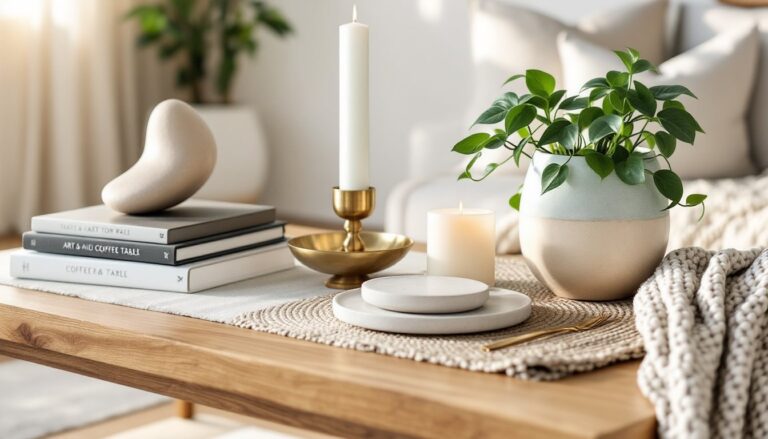
When styling, balance is key. The fireplace designs featured on Country Living showcase how layering varying heights, candlesticks, framed art, potted plants, and books, creates visual interest without clutter. Avoid overfilling: a mantel crowded with objects loses its power. If you’re a renter or want flexibility, consider brackets or floating shelves instead of a permanent mantel, they work just as well for decor and are easier to remove.